
7 Common Planting Mistakes Homeowners Make in Landscape Beds
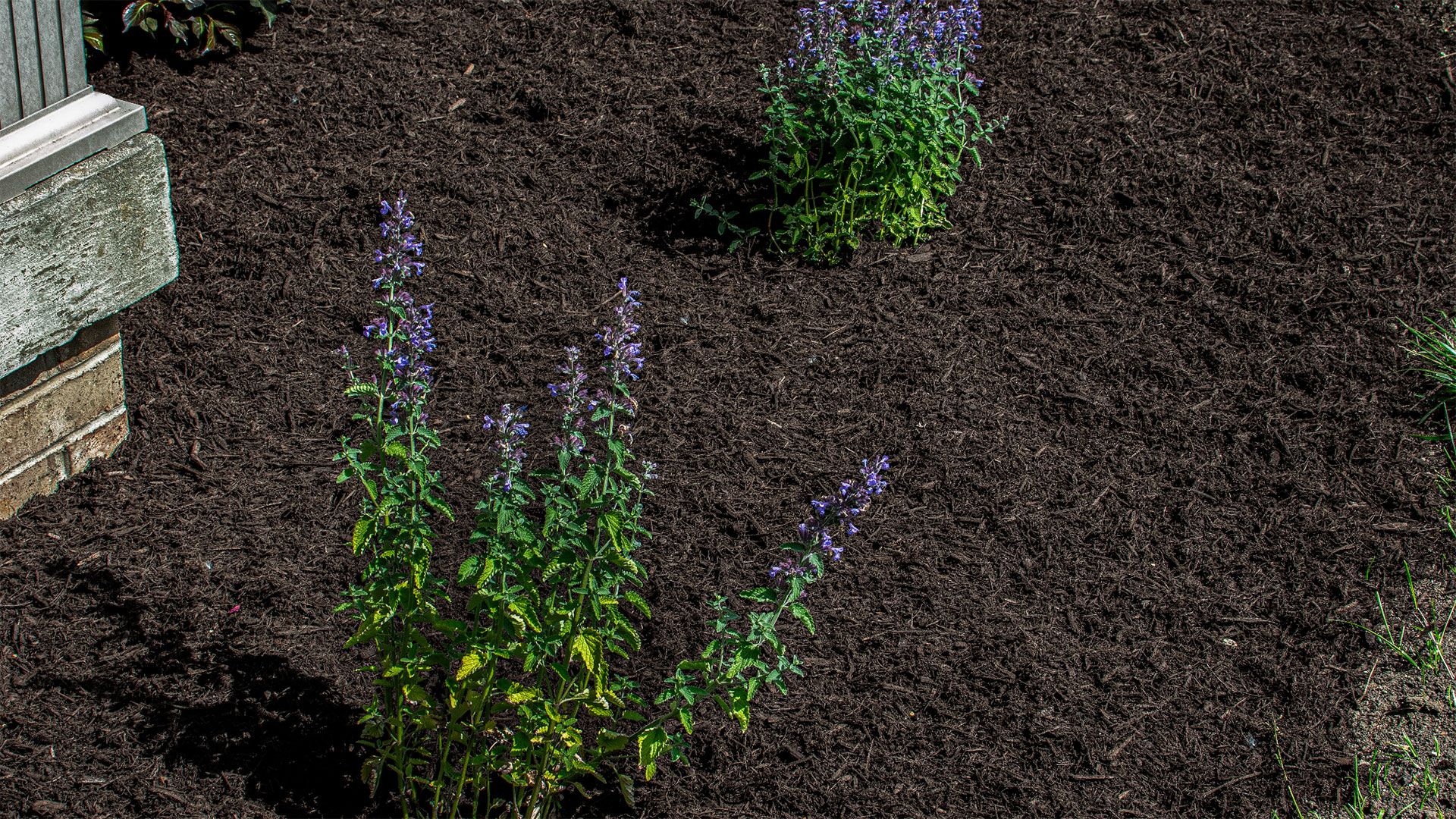
A lot of landscape problems do not start with bad intentions. They start with small planting decisions that seem harmless at the time.
A homeowner picks a plant that looks great at the garden center, sets it in the ground, gives it some water, and expects it to take off. Sometimes that works. A lot of times, it does not.
When landscape beds struggle, it is often not because the homeowner chose a bad plant. It is because the plant was installed in the wrong place, planted the wrong way, or expected to do something the site would not support.
Here are seven of the most common planting mistakes homeowners make in landscape beds, and how to avoid them.
1. Choosing Plants Based on Looks Instead of Site Conditions
This is probably the biggest mistake of all.
A plant may have beautiful blooms, nice foliage, or strong curb appeal, but if it does not fit the light, moisture, or soil conditions of the space, it is going to struggle.
A sun-loving perennial placed in shade may become thin and weak. A moisture-loving plant in a dry area may constantly look stressed. A plant that likes well-drained soil may decline quickly in a soggy bed.
The better approach is simple: match the plant to the site first, then choose for style and color second.
2. Planting Without Thinking About Mature Size
A plant in a nursery pot rarely looks like much. That is why it is easy to underestimate how big it will eventually become.
Homeowners often place shrubs and perennials too close together because the bed looks sparse at first. A couple of seasons later, everything is crowded, overgrown, and competing for space.
That leads to more pruning, more transplanting, and beds that lose their shape.
Planning for mature size helps the landscape fill in the right way over time instead of becoming a maintenance problem later.
3. Ignoring Sun and Shade Patterns
Sunlight is not always as obvious as it seems.
A bed may get strong morning sun but heavy afternoon shade. Another area may look open in early spring, then become much darker once nearby trees leaf out. If you are not paying attention, it is easy to plant for the wrong light conditions.
That usually leads to poor flowering, weak growth, or plants that never perform the way they should.
Before planting, it helps to observe the bed throughout the day and think about how conditions change during the season.
4. Overplanting for Instant Fullness
It is tempting to want a bed to look full the day it is planted.
The problem is that overplanting usually creates more work later. Plants crowd each other, airflow drops, disease pressure increases, and the design starts to feel messy instead of intentional.
A cleaner planting plan often looks a little spaced out at first, but it fills in much better over time.
Patience is hard, but it usually produces a healthier and more attractive result.
5. Planting Too Deep
A surprising number of plant failures come down to planting depth.
When trees, shrubs, or perennials are set too deep, roots can struggle to get the oxygen they need. The plant may survive for a while, but growth slows, stress increases, and long-term performance declines.
This is especially common when extra soil or mulch gets piled around the base after planting.
In most cases, the top of the root ball should sit at or slightly above surrounding grade, not buried below it.
6. Using Too Many Plant Varieties in One Bed
Homeowners often assume more variety means a better-looking landscape.
Usually, it does the opposite.
Too many plant types in one bed can make the space feel busy, disconnected, and harder to maintain. It also makes it harder for any one plant grouping to create real visual impact.
Most strong landscape beds use a smaller number of dependable plants repeated intentionally. That creates a cleaner look and often makes maintenance easier too.
7. Forgetting That Maintenance Still Matters
Low-maintenance does not mean no-maintenance.
Even well-chosen plants still need watering during establishment, occasional trimming, cleanup, and monitoring. A lot of planting frustration happens when homeowners expect the landscape to thrive on its own right away.
The first year matters. Plants need time to root in, adapt, and establish. If they get the right attention early on, they usually become much easier to manage later.
How to Avoid These Problems
Most planting mistakes come from rushing the decision-making process.
A better approach is to slow down and ask a few practical questions before anything goes in the ground:
● How much sun does this area really get?
● Does the soil stay dry, average, or damp?
● How large will this plant get over time?
● Does it fit the style and scale of the bed?
● What kind of maintenance will it realistically need?
Those questions are not complicated, but they prevent a lot of avoidable problems.
Better Planting Decisions Lead to Better-Looking Beds
The best landscape beds are usually not the ones with the most plants or the fanciest varieties.
They are the ones where the plants fit the site, the design has room to breathe, and the layout still makes sense a few years from now.
When that happens, the bed not only looks better, it also becomes easier to maintain and more enjoyable to live with.
Need Help Planning a Landscape Bed That Actually Works?
At Goonan Lawn and Landscape, we help homeowners choose plants that fit their property, their goals, and the amount of upkeep they want long term. If you are planning a new bed or trying to fix one that is not performing the way it should, we’d be glad to help.