
Front Yard Planting Ideas That Improve Curb Appeal Without Feeling Overdone
Front Yard Planting Ideas That Improve Curb Appeal Without Feeling Overdone
A front yard does not need to be packed with flowers to make a strong first impression.
Some of the best-looking front yards are built with a smaller number of well-chosen plants, repeated throughout the landscape and arranged with enough structure and open space to keep everything feeling intentional. The goal is not to fill every available space. It is to create a front yard that feels welcoming, fits the home, and stays attractive through more than one season.
Start With the Shape of the Home
Before choosing plants, look at the lines and proportions of the house.
Planting beds can help frame the front entry, soften foundation walls, define walkways, and draw attention to architectural features. The shape of the bed should support the home rather than compete with it.
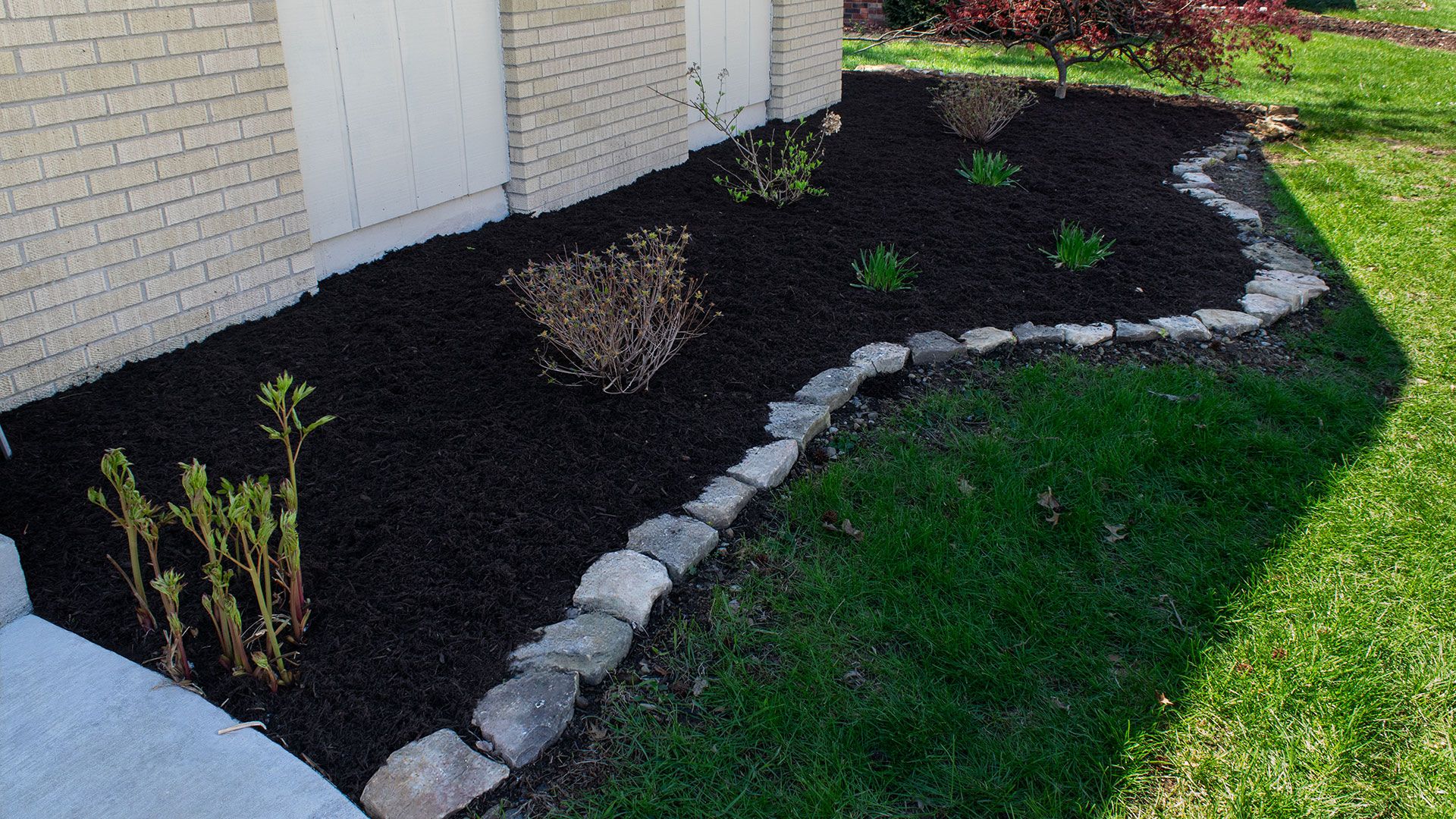
This is also where restraint matters. Forcing plants into every open space can make a front yard feel crowded. A clean bed edge and a little breathing room often make the entire landscape look more polished.
Choose a Smaller Plant Palette
One of the easiest ways to make a front-yard planting feel intentional is to repeat a smaller number of strong plants.
Using one of everything may seem like a good way to add interest, but it often creates a scattered look. The plants may be attractive individually while the overall bed feels busy and disconnected.
A better approach is to choose a few plants that work well together and repeat them in groups or in different parts of the front yard. A planting bed might combine a few structure plants, a dependable flowering perennial, a lower edging plant, and an ornamental grass for texture and movement.
Repeating plants creates visual rhythm. It helps separate planting areas feel connected and makes the landscape easier to understand from the street.
Build the Bed in Layers
A planting bed usually looks better when the plants are arranged in layers rather than placed randomly.
Taller plants can sit toward the back or near the corners of the bed. Medium-height plants can fill the middle. Lower plants can soften the front edge along the lawn, sidewalk, or driveway.
Layering gives each plant room to contribute without blocking everything behind it. It also helps the bed look fuller while still remaining easy to read.
Mature size matters here. Plants that look small at installation can eventually crowd windows, walkways, or one another if they do not have enough room to grow. A bed that looks slightly open at first will often become more attractive as the plants mature.
Add Structure Before Adding More Flowers
Flowers attract attention, but structure is what helps a landscape look finished when nothing is blooming.
Shrubs, grasses, and foliage plants provide shape, texture, and consistency throughout the season. Boxwood and inkberry holly can add evergreen structure. Viburnum can provide screening and seasonal interest. Ornamental grasses such as feather reed grass, little bluestem, prairie dropseed, and switchgrass can add movement and height.
Once the structure is in place, flowering plants can be used as accents instead of carrying the entire design. This usually creates a calmer and more balanced result.
A strong front-yard planting is not built from flowers alone. It uses a mix of structure plants, blooming plants, foliage, and texture to keep the landscape useful for more of the year.
Choose Plants for the Actual Conditions
A plant can look perfect in a garden center and still struggle in the front yard if it does not fit the site.
Before choosing plants, consider how much direct sunlight the bed receives, whether the soil stays dry or moist, how much room the plants will have at maturity, and how much upkeep the homeowner wants to provide.
Full sun generally means six or more hours of direct sunlight. Part sun or part shade usually means about three to six hours. Shade means less than three hours of direct sun or filtered light for most of the day.
Moisture matters just as much. A sunny bed that dries out quickly needs different plants than a sunny bed that holds water after rain. Matching plants to the conditions is one of the best ways to improve both appearance and long-term performance.
The best plant in the wrong place will still struggle. Strong planting plans start with site fit, then move to style and color.
Plan for More Than One Season
A front yard should not depend on one short period of bloom.
Early-season plants can provide a strong start. Summer bloomers can carry the main color season. Ornamental grasses, shrubs, foliage plants, and fall-interest perennials can keep the bed useful after many flowers have faded.
Peonies, black-eyed Susans, catmint, daylilies, stonecrop, Japanese anemone, and ornamental grasses can all contribute different forms of seasonal interest when used in the right conditions.
The strongest planting beds combine bloom, foliage, texture, structure, and movement rather than relying on flowers alone.
Repeat Plants to Connect the Front Yard
If the front yard includes more than one planting bed, repeat a few key plants across those spaces.
The same grass, shrub, or flowering perennial might appear near the entry, along the walk, and around a corner of the home. This creates a sense of connection and makes the property feel more thoughtfully designed.
Repetition does not mean every bed needs to look identical. It simply gives the landscape a few shared elements that tie everything together.
This is one reason a smaller plant palette often works so well. Fewer choices, used intentionally, can create more unity than a large collection of unrelated plants.
Give the Plants Room to Grow
Overplanting may make a new bed look full right away, but it can create maintenance problems later.
Crowded plants compete for light, water, and space. They can cover windows, spill over walkways, and make pruning more difficult. They may also lose the individual shape and texture that made them appealing in the first place.
Planning around mature size takes patience, but it usually creates a healthier and more attractive landscape over time. A little open space at installation is better than a bed that becomes crowded a few seasons later.
Keep the Edges Clean
Even a simple planting design can improve curb appeal when the edges are clear and maintained.
A defined bed edge helps separate the planting area from the lawn, driveway, or walkway. It gives the landscape a finished outline and makes the plants look more intentional.
The edge does not need to be complicated. What matters most is that it supports the shape of the bed and remains practical to maintain.
Design for Everyday Life
A front yard should look good in everyday life, not only on installation day or during peak bloom.
Think about how the bed will look from the street, from the front door, and from the windows inside the home. Choose plants that fit the property, hold their shape, and contribute across the seasons.
The strongest designs are practical as well as attractive. They improve the first impression of the property without creating a landscape that feels too crowded, too fragile, or too demanding to maintain.
A thoughtful front-yard planting design does not have to be complicated. It needs to fit the home, fit the site, and use repetition and structure to create a clean, welcoming result.
Need Help Choosing What Fits Your Yard?
Every property is different. The right planting choices depend on sunlight, drainage, layout, style, and how much upkeep you want over time.
At Goonan Lawn and Landscape, we help homeowners create landscapes that improve curb appeal, increase beauty, and stay practical to maintain. If you are ready to improve an existing front bed or start planning something new, contact us to request a planting consultation.