
How to Build a Planting Bed That Looks Good All Season
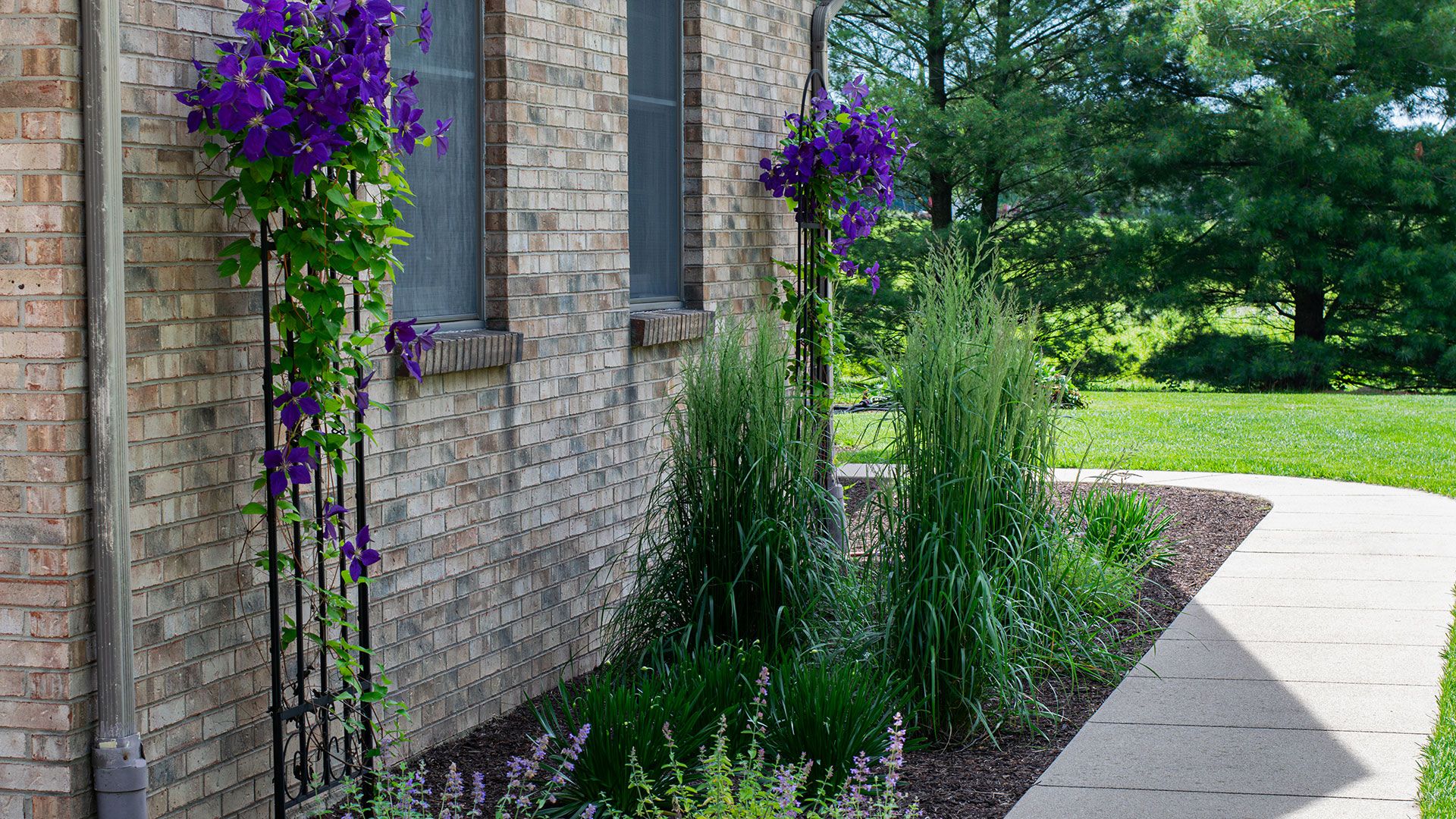
How to Build a Planting Bed That Looks Good All Season
A planting bed can look beautiful in spring and still feel empty, overgrown, or unfinished by the end of summer.
The difference usually comes down to planning. A strong planting bed is not built around one flower or one bloom period. It combines structure, seasonal color, texture, and repetition so the landscape continues to look intentional from spring through fall.
Whether you are creating a new bed or refreshing an existing one, these principles can help you build a landscape that looks better and stays easier to maintain over time.
Start with the Site, Not the Plant List
Before choosing plants, study the space.
Pay attention to:
- How much direct sunlight the bed receives
- Whether the soil stays dry, average, or consistently moist
- How water moves through the area after rain
- What the bed will look like from the street, driveway, windows, and walkways
- How much room plants will have at mature size
- How much maintenance you want to handle
A plant can look perfect at the garden center and still struggle if it does not fit the site. Good planting design starts with matching plants to the conditions they will actually live in.
Build the Bed in Layers
The most successful planting beds usually have three basic layers: structure, seasonal interest, and ground-level coverage.
1. Structure plants
Structure plants give the bed shape and consistency. These may include shrubs, ornamental grasses, or plants with strong foliage and form.
They help the bed look organized even when flowers are not blooming. Shrubs can anchor the foundation, while grasses add height, movement, and texture.
2. Seasonal color
Flowering perennials add color and changing interest throughout the growing season. Instead of choosing plants that all bloom at the same time, select a combination that contributes in spring, summer, and fall.
3. Ground-level plants
Lower-growing plants soften the edges, cover bare soil, and help the bed feel full. Groundcovers, edging plants, and compact perennials can create a cleaner transition between the planting bed and the lawn or walkway.
A bed with only one layer may feel flat or unfinished. A layered bed usually feels more balanced and established.
Choose Plants for More Than One Season
A planting bed does not need to be in full bloom all season to look good. It needs something interesting happening throughout the season.
Consider including plants that provide:
- Early spring flowers or fresh foliage
- Summer blooms and strong leaf color
- Late-season flowers or seed heads
- Fall color and texture
- Winter structure from shrubs, grasses, and evergreen foliage
Foliage, form, and texture often carry the bed between bloom periods. Ornamental grasses, shrubs, and foliage plants can keep the landscape attractive even when fewer flowers are open.
Use Repetition to Create a More Intentional Look
One of the easiest ways to improve a planting bed is to repeat plants instead of planting one of everything.
Repeating a few strong plants helps create:
- A cleaner visual rhythm
- Better balance across the bed
- A more professional appearance
- Easier maintenance
- Stronger color and texture from a distance
This does not mean every part of the bed needs to look identical. It means the same plants, colors, or forms should appear more than once so the design feels connected.
Pay Attention to Mature Size
Small plants can make it tempting to plant too closely. But the space a plant needs at maturity is more important than how large it looks on installation day.
Before planting, consider:
- Mature height and width
- How quickly the plant grows
- Whether it will block windows or walkways
- How much air movement it needs
- Whether it will crowd nearby plants
Overcrowding can create extra pruning, reduce airflow, and make the bed look messy as plants mature. Proper spacing may look a little open at first, but it usually creates a healthier and easier-to-manage landscape later.
Give the Bed a Clear Edge
A clean edge makes a planting bed look finished.
The edge might be created with:
- A defined lawn-to-bed border
- A walkway or patio edge
- Stone, brick, or another hardscape material
- A simple maintained trench edge
- Low-growing plants that soften the transition
Without a clear edge, even a well-designed bed can look scattered. The border helps separate the planting area from the lawn and makes routine maintenance easier.
Prepare the Soil Before Planting
Plant selection matters, but the soil beneath the plants matters just as much.
Before planting:
- Remove sod, weeds, and debris
- Break up compacted soil
- Improve soil where needed with appropriate organic matter
- Grade the bed so water moves away from structures
- Confirm the finished soil level will not bury plant crowns or stems
Healthy roots need room, oxygen, water, and the right growing conditions. Spending time on bed preparation can make a noticeable difference in plant establishment and long-term performance.
Finish with Mulch, but Use It Correctly
Mulch helps conserve moisture, moderate soil temperatures, reduce weeds, and give the bed a clean finished appearance.
Apply mulch evenly, generally around 2 to 3 inches deep depending on the material and site conditions. Keep mulch away from the base of shrubs, perennials, and trees. Avoid piling mulch against stems or trunks, which can contribute to moisture problems and plant decline.
Mulch should support the planting design, not hide poor grading or overcrowded plants.
Common Mistakes That Make Beds Harder to Maintain
Planting one of everything
Too many varieties can make a bed feel busy and disconnected. Repetition usually creates a stronger result.
Choosing plants only for flower color
A plant may have a beautiful bloom but still be wrong for the sunlight, moisture, or mature space available.
Ignoring the off-season
A bed designed around one short bloom period can look empty for much of the year. Include structure and foliage that continue contributing after flowers fade.
Planting too close together
Crowded beds require more pruning and can become unhealthy as plants mature.
Skipping soil preparation
Poor soil conditions can limit root growth and make even well-chosen plants struggle.
Forgetting the view from different angles
A bed should look good from the street, from inside the house, and as someone approaches the entry. Design for the views that matter most on the property.
A Simple Formula for a Better Planting Bed
When planning a new bed, start with a simple framework:
- Choose one or two structural plants for height and form.
- Add a few repeating flowering plants for seasonal color.
- Add lower plants to soften the edges and fill gaps.
- Include at least one plant that contributes interest in spring, summer, and fall.
- Leave enough space for mature growth.
- Finish with a clean edge and properly applied mulch.
The exact plants will depend on the site, but this framework works across many residential landscapes.
A Better-Looking Landscape Starts with Better Planning
A planting bed that looks good all season is not necessarily the one with the most plants or the most color.
It is the one where the plants fit the site, the layers work together, and each part of the bed has a purpose. Structure keeps the design grounded. Repetition creates consistency. Seasonal plants keep it changing. Proper spacing and soil preparation help it stay healthy and manageable.
If you are planning a new planting bed or refreshing an existing landscape, thoughtful design can save time and maintenance later while creating a more finished look from the start.
Need Help Planning Your Planting Bed?
Every property is different. Sunlight, drainage, layout, mature plant size, and maintenance expectations all affect what will work best.
If you want help creating a planting plan that fits your home and your goals, schedule a planting consultation with Goonan Lawn and Landscape.
We help homeowners create landscapes that improve curb appeal, fit the property, and stay practical to maintain.