How to Choose the Right Landscape Plants for Sun, Shade, and Moisture
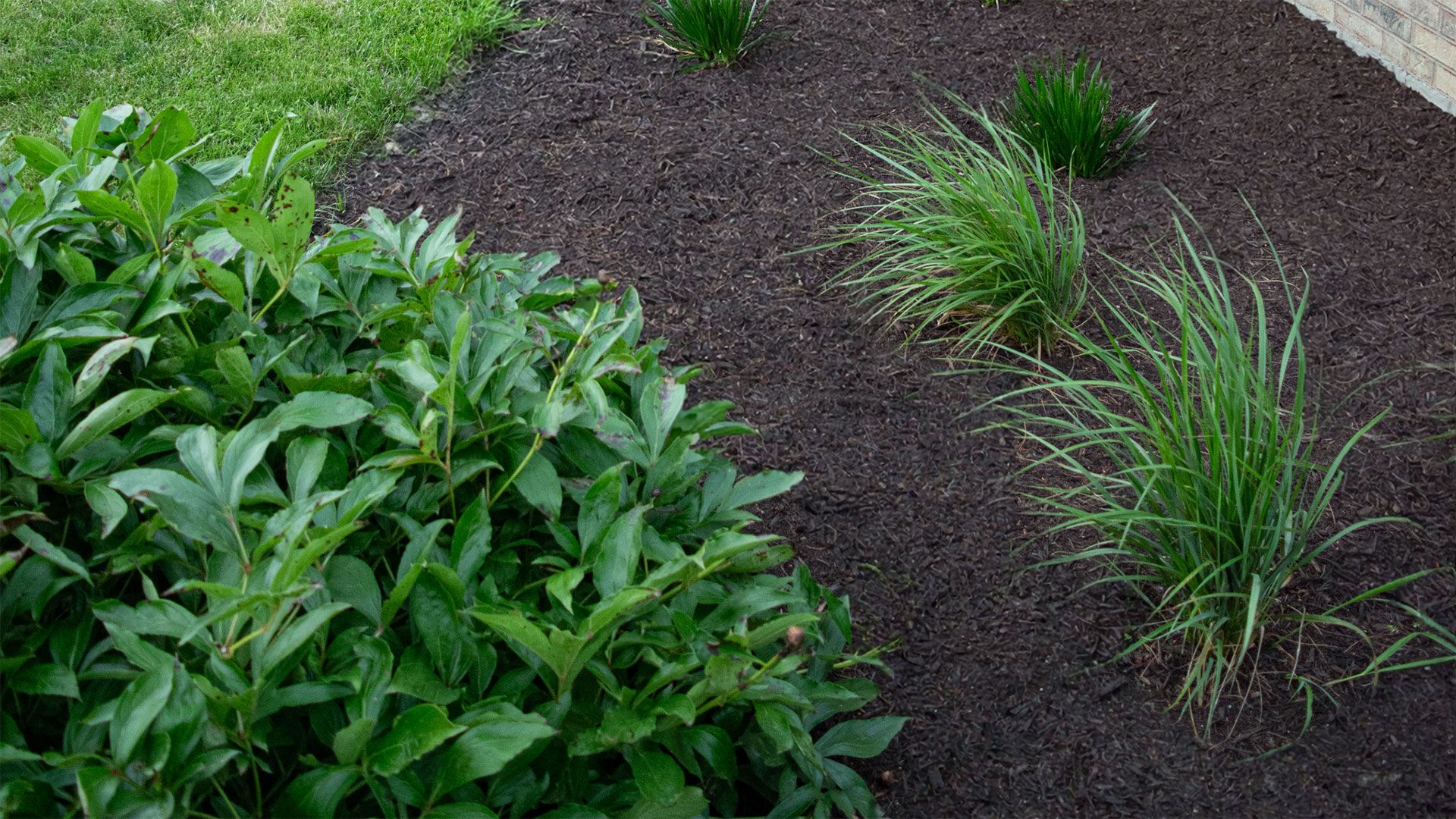
A lot of planting problems start with a simple mistake: choosing a plant because it looks good, without first making sure it fits the site.
It is one of the most common reasons homeowners end up frustrated with landscape beds. A plant may have great color,a nice shape, or strong curb appeal at the garden center, but if it is planted in the wrong light or moisture conditions, it usually struggles. That can mean weak growth, more disease pressure, higher maintenance, and a landscape that never quite fills in the way you hoped.
The good news is that better plant decisions do not have to be complicated.
For most Illinois homeowners, the best place to start is with three things: sun, shade, and moisture.
Start with Site Fit, Not Just Plant Looks
A beautiful plant in the wrong spot is still the wrong plant.
Before choosing anything for a landscape bed, it helps to answer a few basic questions:
● How much direct sun does this area actually get?
● Does the soil stay dry, average, or consistently moist?
● Is this a hot, exposed location, or a more protected area?
● Will the plant have enough room once it reaches mature size?
When homeowners skip those questions, they usually end up replacing plants more often, watering more than expected, or dealing with a bed that feels uneven and hard to manage.
Strong planting plans start with site fit first, then style and color second.
How to Think About Sunlight
Sunlight is one of the easiest factors to misunderstand because it changes throughout the day and season.
A bed that feels sunny in the morning may be shaded by afternoon. A spot that gets winter sun may be much more shaded once trees leaf out.
As a general rule:
Full sun means 6 or more hours of direct sun
Part sun or part shade usually means about 3 to 6 hours of sun
Shade means less than 3 hours of direct sun, or filtered light most of the day
If you are not sure, pay attention to the area for a day or two before planting. That simple step can save a lot of guesswork.
Best Plant Types for Full Sun Areas
Sunny areas give homeowners the widest plant selection, but they also tend to dry out faster and experience more heat stress.
Plants that usually perform well in full sun include:
● Catmint
● Salvia
● Yarrow
● Black-eyed Susan
● Prairie Dropseed
● Feather Reed Grass
These plants are often good fits for front yard beds, borders along driveways or sidewalks, and more exposed planting areas. Many also work well for homeowners who want lower-maintenance color and texture over time.
The key with sunny areas is not just choosing sun-loving plants, but also making sure they can handle the moisture conditions of the bed.
Best Plant Types for Part Shade Areas
Part-shade areas are common around homes, especially near trees, fences, and areas that get only partial daily sun.
These spaces often benefit from plants that can handle some sun but do not need intense exposure all day.
Good options often include:
● Coral Bells
● Columbine
● Lady’s Mantle
● Phlox
● Bluestar
● Bellflower
Part-shade beds can be some of the most attractive spaces in the landscape because they allow for softer texture, layered planting, and a more relaxed look. They just need plants selected with that middle-ground light level in mind.
Best Plant Types for Shade Areas
Shady spots can be frustrating when homeowners try to force sun-loving plants into them.
The better approach is to lean into what shade does well. Shade gardens often succeed more through foliage, texture, and repetition than through nonstop blooms.
Common shade-friendly options include:
● Hosta
● Ferns
● Hellebore
● Pachysandra
● Lamium
● Ajuga
When designed well, shade beds can feel calm, full, and finished, even without the same kind of flower color you might expect in sunnier areas.
Moisture Matters Just as Much as Sun
Two sunny beds can behave completely differently if one stays dry and the other holds moisture.
That is why moisture matters just as much as light.
A few common categories:
Low moisture areas dry out faster and are better for plants that tolerate drier conditions once established
Moderate moisture areas are average garden conditions and fit the widest range of plants
Moderate to high moisture areas stay more consistently damp and need plants that can handle that without stress
This is where a lot of homeowners run into trouble. They choose plants for sun or shade, but ignore drainage and moisture. Then they wonder why the planting does not thrive.
For example, a plant that likes full sun may still perform poorly if it prefers drier soil and ends up in a wet area.
The Goal Is Not More Plants, It Is Better Choices
Homeowners often assume a great landscape comes from finding more plant options.
Usually, it comes from narrowing the options down to the right ones.
A smaller group of well-matched plants will almost always out perform a random mix of plants that do not fit the site. The bed looks cleaner, grows in better, and becomes easier to maintain over time. That is what makes a landscape feel intentional instead of pieced together.
Need Help Choosing What Fits Your Yard?
Every property is different. The right plant choices depend on sunlight, drainage, layout, style, and how much upkeep you want over time.
At Goonan Lawn and Landscape, we help homeowners choose plants that improve curb appeal, fit the space, and stay practical to maintain. If you want help turning ideas into a planting plan that actually fits your property, we’d be glad to help.