
Why Repeating Plants Creates a Better-Looking Landscape
Why Repeating Plants Creates a Better-Looking Landscape
When homeowners choose plants for a new landscape bed, it is easy to focus on variety. One of this flower, one of that shrub, and a few more plants that caught their eye at the garden center.
But the best-looking landscapes are often not the ones with the most plant varieties. They are the ones that use a smaller number of plants repeatedly and intentionally.
Repetition Creates Visual Unity
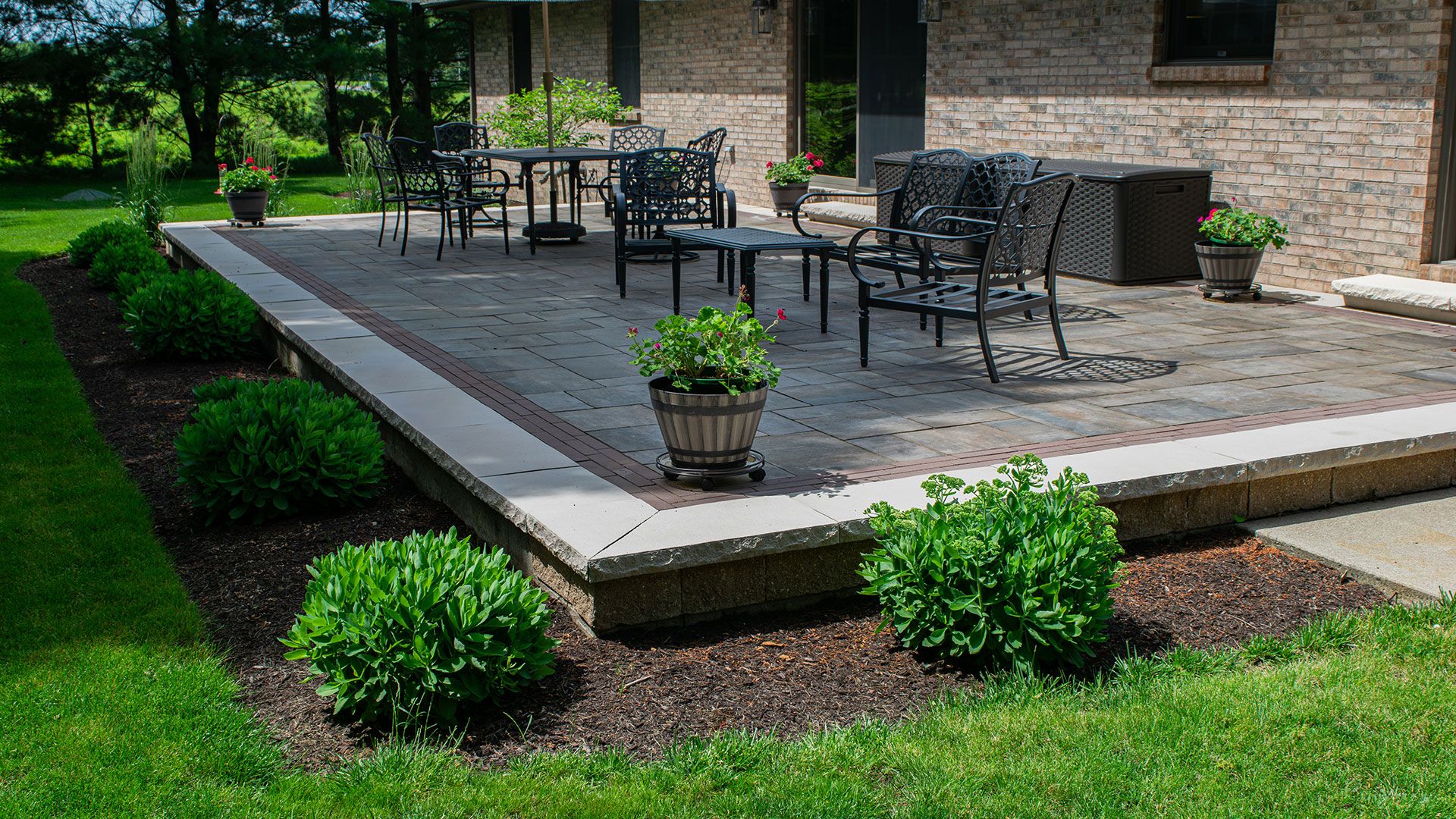
Repeating the same plants throughout a landscape helps the design feel connected. Instead of each area looking separate, the planting beds feel like part of one complete landscape.
For example, repeating ornamental grasses along the front walk and around a patio can tie those areas together. Using the same shrub near the front entrance and along the side of the home creates a consistent visual rhythm.
The plants do not have to be used everywhere. Even a few repeated groupings can make the entire property feel more intentional.
Too Much Variety Can Feel Scattered
Using too many different plants can make a landscape feel busy. Each plant may look attractive on its own, but the overall design can lack direction.
This is especially common when homeowners plant one of everything. The result may include many colors, textures, and shapes competing for attention.
Repetition gives the eye a place to rest. It also makes the landscape easier to understand and appreciate from a distance.
Groups Usually Look Better Than Single Plants
Many plants look stronger when they are planted in groups rather than standing alone.
A group of the same perennial can create a clear area of color. Repeated shrubs can provide structure and help frame the home. Ornamental grasses can add movement and texture when used in several locations.
Grouping plants also helps the landscape look fuller and more established over time.
Repetition Does Not Mean Boring
A repeating plant palette can still have plenty of interest. The key is to combine different roles:
● Structure plants for shape and consistency
● Flowering plants for seasonal color
● Ornamental grasses for movement and texture
● Ground covers to soften edges
● Shrubs for height, screening, and curb appeal
For example, a landscape might repeat boxwood or inkberry holly for structure, panicle hydrangea for seasonal color, and ornamental grasses for movement. The design stays cohesive without looking plain.
Think About the Whole Season
Repeating plants is not only about color. It is also about creating consistency across the seasons.
Some plants contribute spring blooms. Others provide summer color. Grasses and foliage can add texture later in the year, while shrubs and evergreens help maintain structure when many perennials have faded.
A strong planting plan repeats plants that contribute at different times of year. That helps the landscape look connected from spring through winter.
Start With the Site, Then Repeat What Fits
Repetition works best when the plants are suited to the location.
Before choosing a plant, consider:
● How much sunlight the area receives
● How quickly the soil dries out
● The plant’s mature size
● How much maintenance the homeowner wants
● What role the plant needs to play
A plant that works well in one part of the property may not be the right choice for another. Repetition should support the site, not force the same plant into conditions where it will struggle.
A Simple Rule for Better Planting Design
Instead of asking, “How many different plants can we fit in this bed?” ask:
“Which few plants will make this landscape feel complete?”
Choosing fewer plants and repeating them thoughtfully often creates a cleaner, more polished result. It can also make future maintenance easier because the landscape is more organized and predictable.
A beautiful planting bed does not need to be complicated. It needs to fit the property, serve a purpose, and feel intentional.
Need Help Planning Your Landscape?
Every property is different. The right plant choices depend on sunlight, drainage, layout, style, and how much upkeep you want over time.
If you want help creating a planting plan that fits your property, contact Goonan Lawn and Landscape to schedule a planting consultation.